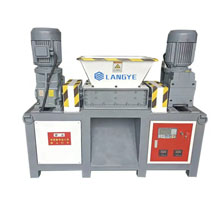
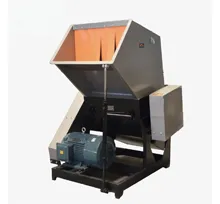
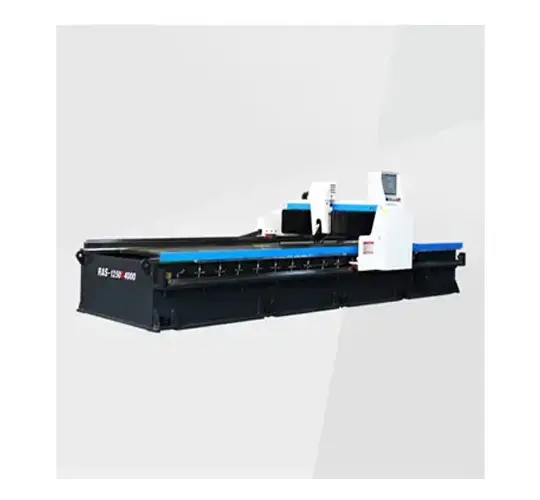
The cost of a small copper wire recycling line depends on more than the machine itself. Mini copper wire granulator price is influenced by processing capacity, wire diameter range, separation technology, motor configuration, automation level, and the type of feedstock being processed. For buyers handling relatively small quantities of scrap cable, a compact system can provide the required copper recovery performance without the footprint and investment associated with a large recycling plant.
A mini granulator machine is generally suited to operations where flexibility, manageable power consumption, and relatively simple installation are more important than maximum throughput. However, capacity should always be evaluated against the actual type and composition of copper wire rather than relying on a nominal capacity figure alone.
What Determines Mini Copper Wire Granulator Price?
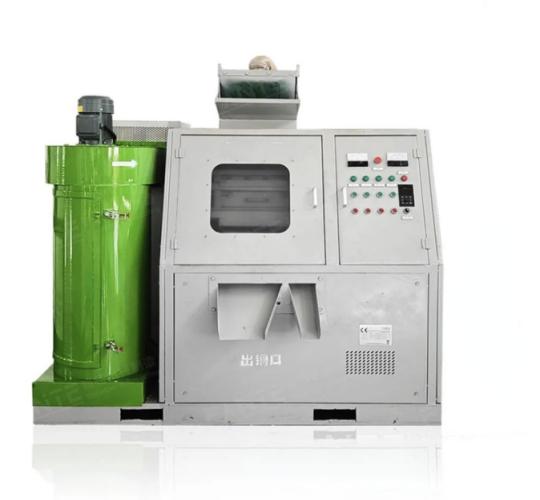
The main factors affecting mini copper granulator pricing are processing capacity, equipment configuration, separation efficiency, motor power, and the degree of automation.
A basic compact granulator may have a lower purchase cost, while a more complete line can include a wire stripper, crusher, granulator, vibrating separation system, dust collection, and control cabinet. The latter requires a higher initial investment but may reduce manual processing and improve consistency.
Feedstock also affects equipment selection. Clean copper cable with relatively consistent insulation is easier to process than mixed scrap containing different wire sizes, terminals, or non-copper materials. Therefore, comparing quotations based only on machine price can result in misleading conclusions.
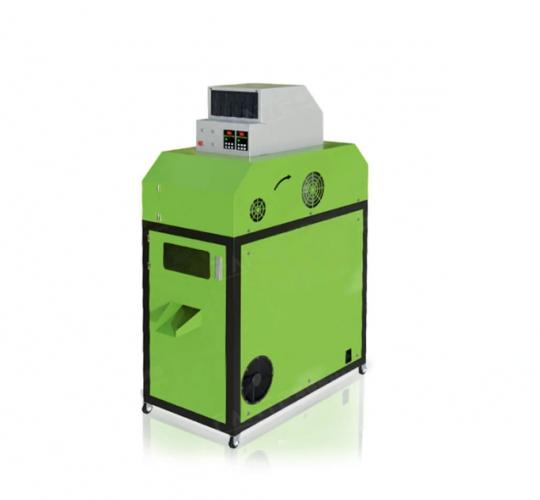
What Capacity Can a Small Copper Wire Granulator Handle?
Capacity varies according to machine configuration and feedstock characteristics. A small copper wire granulator is typically designed for smaller recycling operations rather than high-volume industrial plants.
Actual output can change considerably depending on wire diameter, insulation type, copper content, feeding method, and the operator's feeding consistency. Fine wires and complex cable mixtures may require different processing conditions from thicker power cables.
When evaluating capacity, buyers should ask suppliers to specify whether the stated figure refers to maximum theoretical throughput or typical continuous production. A realistic operating capacity is more useful for estimating daily copper recovery and payback.
Is a Mini Granulator Machine Suitable for Small Recycling Businesses?
A mini granulator machine can be appropriate when the available scrap volume does not justify a large processing line. Its compact structure can reduce installation requirements and make it easier to integrate into a smaller workshop.
It is particularly useful for businesses collecting or processing limited quantities of waste copper wire, electrical cable, communication cable, and similar materials. The key consideration is whether the machine's feed range matches the wire types available locally.
For operations expecting rapid increases in scrap volume, buyers should also consider whether the selected system can be expanded or supplemented with additional processing equipment later.
What Factors Should Be Compared Besides Mini Copper Wire Granulator Price?
Purchase price is only one part of the total cost. Buyers should compare the following operating factors:
Processing capacity: Determine the realistic hourly output for the actual wire mix.
Copper recovery: Efficient separation directly affects the value recovered from each batch.
Power consumption: Motor configuration and operating hours influence long-term energy costs.
Maintenance requirements: Blade replacement, screen maintenance, bearings, belts, and other wear components contribute to operating expenses.
Feedstock range: Confirm the minimum and maximum wire diameters and whether mixed cables can be processed effectively.
Installation requirements: Check power supply, floor space, ventilation, dust collection, and material handling requirements before purchase.
This broader evaluation provides a more accurate picture of the economic value of a small granulator machine.
How Does Wire Type Affect Granulator Capacity?
Not all copper wire produces the same recycling throughput. Thick cables, fine wires, multi-core cables, and heavily insulated wires behave differently during crushing and separation.
Fine copper wires can require more controlled feeding and separation because their small dimensions make the distinction between copper particles and insulation more demanding. Larger cables may require pre-cutting or stripping before entering the granulation process.
For this reason, suppliers should evaluate representative samples of the buyer's feedstock whenever possible. A capacity specification without a defined feed material provides limited information for investment planning.
What Should Buyers Ask Before Purchasing a Mini Copper Granulator?
Before comparing quotations, buyers should establish several technical parameters. These include the expected hourly feed rate, wire diameter range, copper recovery target, power supply, available floor space, and expected daily operating hours.
It is also important to clarify what is included in the quoted configuration. A low mini copper wire granulator price may exclude auxiliary equipment that is necessary for continuous operation, such as feeding systems, dust collection, conveyors, or pre-processing equipment.
Technical support, spare parts availability, installation guidance, and warranty terms should also be included in the purchasing comparison.
How Can the Total Recycling Cost Be Estimated?
A practical calculation should consider equipment investment together with electricity, labor, maintenance, consumables, and expected copper recovery.
For example, if two machines have similar nominal capacity but one achieves more consistent separation with lower manual intervention, its overall operating economics may be different from the initial quotation. Similarly, a machine with a lower purchase price may not provide the lowest processing cost if it requires frequent maintenance or produces more material requiring secondary sorting.
For small recycling operations, calculating cost per ton of processed wire is often more useful than comparing equipment prices alone.
Conclusion
Choosing a small copper wire granulator requires more than finding the lowest equipment quotation. The appropriate system should match the actual wire types, expected feed volume, available workspace, power conditions, and desired copper recovery performance.
When comparing mini copper wire granulator price, buyers should examine realistic capacity, separation efficiency, energy consumption, maintenance requirements, configuration, and after-sales support together. A properly matched mini copper granulator can provide a practical solution for small-scale cable recycling while leaving room for future production requirements.
FAQs
What affects mini copper wire granulator price?
Capacity, machine configuration, separation technology, automation, motor power, and auxiliary equipment are major pricing factors.
What is the capacity of a small copper wire granulator?
Capacity depends on the machine model and feedstock. Wire diameter, insulation, copper content, and feeding conditions can significantly affect actual output.
Can a mini granulator machine process different types of copper wire?
Many compact systems can process multiple wire types, but the acceptable diameter and material range varies by configuration.
Is a small granulator machine suitable for a startup?
It can be suitable when scrap volume is limited and the business needs a compact recycling solution with relatively manageable investment and operating requirements.
What should I compare when buying a mini copper granulator?
Compare actual capacity, recovery performance, feedstock compatibility, power consumption, maintenance costs, included equipment, and technical support—not only the purchase price.
 English
 日本語
日本語 한국어
한국어 français
 Deutsch
 Español
 русский
 Türkçe
 português
 العربية
 Polska
 हिंदी
हिंदी Indonesia