Press brake tooling is not universally interchangeable simply because two tools have similar dimensions. Compatibility depends on the machine's clamping system, tool interface, working height, punch and die geometry, tonnage requirements, and the specific bending application. When sourcing amada press brake parts, bystronic press brake tooling, or Trumpf press brake tooling, buyers should first identify the press brake's tooling standard and clamping configuration.
The same principle applies to Amada press brake dies and other replacement tooling. A tool that physically fits the machine may still produce incorrect bend angles, excessive loading, or unsafe clamping if its interface or dimensions do not match the original system.
How Do You Determine Press Brake Tooling Compatibility?
The first step is to identify the machine model and tooling interface. Press brakes from different manufacturers may use different punch clamping arrangements, die mounting systems, tool heights, or segmented tooling configurations.
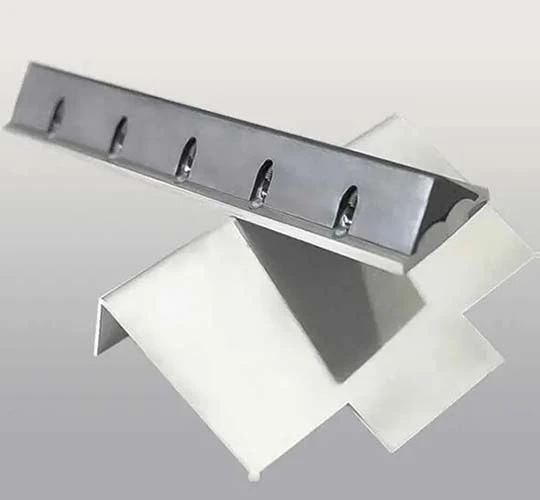
Important dimensions include punch height, shoulder dimensions, shank geometry, die opening, die height, and overall working height. The required tonnage and material thickness should also be checked before selecting replacement tooling.
For an existing production line, comparing the original tool drawing or manufacturer's specifications with the replacement tool drawing is more reliable than selecting tooling based only on the machine brand.
Are Amada Press Brake Dies Interchangeable With Other Systems?
Amada press brake dies are designed around specific machine and tooling configurations, so interchangeability depends on the interface rather than the brand name alone.
When replacing Amada tooling, buyers should verify the die dimensions, mounting method, die height, opening configuration, and machine requirements. The same consideration applies when sourcing other Amada press brake parts such as punches, holders, adapters, or clamping components.
If a replacement tool uses a different interface, an appropriate adapter or compatible holder may be required. However, this should be confirmed against the machine's technical specifications before installation.
What Should You Check When Selecting Trumpf Press Brake Tooling?
Trumpf press brake tooling should be matched according to the machine's clamping and tooling standard, as well as the required bending operation.
The most important considerations include punch and die dimensions, clamping interface, tool height, die opening, material thickness, bending method, and required bend angle. For production involving multiple tool stations, segment lengths and tool layout are also important because they affect setup time and the achievable bending sequence.
WILA-style hydraulic or mechanical clamping systems may use standardized interfaces, but the exact dimensions and machine configuration still need to be verified before purchasing replacement tooling.
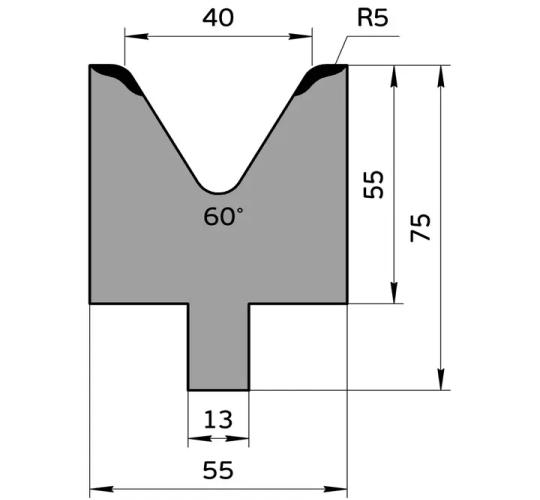
How Does Bystronic Press Brake Tooling Compatibility Work?
Bystronic press brake tooling must be selected according to the specific Bystronic machine and its installed clamping system. Machine generation and tooling configuration can affect compatibility even within the same brand.
When sourcing Bystronic tooling, buyers should confirm the punch and die interface, working height, die opening, segment configuration, and clamping method. Tooling should also be checked against the required material thickness and bending force.
For replacement purchases, providing the supplier with the machine model, existing tool dimensions, photographs, and drawings can significantly reduce the risk of receiving incompatible tooling.
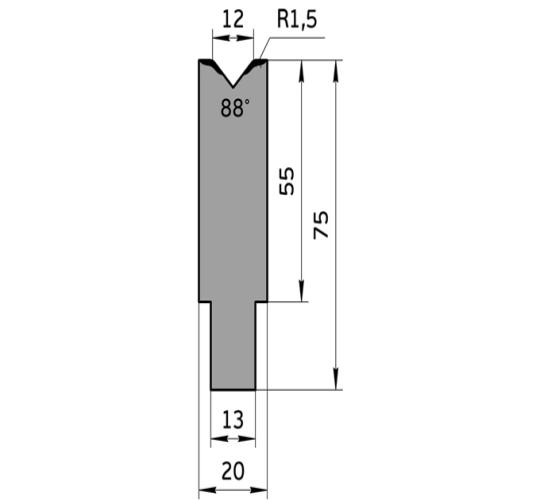
Can Tooling From Different Press Brake Brands Be Used on the Same Machine?
Cross-brand compatibility is possible when the tooling interfaces and dimensional requirements are equivalent or when an approved adapter system is available.
For example, the relevant question is not simply whether a tool is manufactured for Amada, Trumpf, or Bystronic. The critical issue is whether its physical interface, working height, clamping method, and load capacity correspond to the machine.
This is particularly important when replacing tooling in a mixed-equipment workshop. Standardized tooling systems can simplify procurement, but compatibility should still be confirmed for each press brake model.
Why Is Working Height Important When Matching Press Brake Tooling?
Working height determines the relationship between the punch, die, and press brake's bending axis. If replacement tooling has a different working height from the original setup, the machine's stroke position, bending depth, and setup parameters may need to change.
In automated or CNC-controlled bending operations, even relatively small dimensional differences can affect programmed tool positions and bend accuracy.
Therefore, working height should be treated as a core compatibility parameter rather than simply a dimensional detail.
How Do Punch and Die Geometry Affect Compatibility?
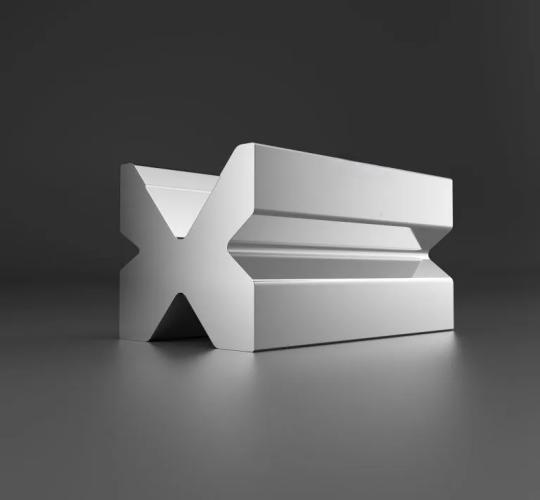
Compatibility is not only about whether the tool can be physically mounted. Punch angle, tip radius, die opening, shoulder configuration, and die angle must correspond to the intended forming operation.
For example, a narrow V-die can produce higher forming pressure than a wider opening under otherwise similar conditions. Selecting an unsuitable combination may cause excessive tonnage, material marking, deformation, or premature tool wear.
Tool geometry should therefore be evaluated together with material grade, thickness, bend radius, and required finished angle.
What Information Should You Provide When Ordering Replacement Tooling?
A supplier can usually determine compatibility more accurately when provided with:
Press brake manufacturer and model
Machine tonnage and working length
Existing punch and die dimensions
Clamping system
Required material thickness and type
Bend angle and inside radius
Required die opening
Tool drawings or photographs
This information is especially useful when ordering Amada press brake parts, Bystronic tooling, or Trumpf press brake tooling for older machines where original tooling documentation may be limited.
Conclusion
Press brake tooling compatibility depends on the complete interface and bending setup, not simply on the machine brand. Amada press brake dies, Bystronic press brake tooling, and Trumpf press brake tooling can only be considered interchangeable when their clamping interfaces, dimensions, working heights, load requirements, and application parameters are compatible.
For replacement or cross-brand tooling, confirming the machine model, tooling standard, critical dimensions, and bending requirements before ordering helps prevent installation problems and costly production downtime. Langyemt's Press Brake Tooling can be selected according to the specific machine and forming requirements.
FAQs
Can Amada tooling fit another press brake?
It may fit if the tooling interface and key dimensions are compatible. Machine-specific verification is required.
Is Trumpf tooling compatible with WILA systems?
Compatibility depends on the exact clamping interface, tool dimensions, and machine configuration.
Can Bystronic tooling be used on other press brakes?
Potentially, if the tooling standard and dimensional requirements match the target machine.
What is the most important compatibility factor?
The clamping interface is critical, but working height, tool geometry, dimensions, and load capacity must also be checked.
How can I avoid ordering incompatible tooling?
Provide the supplier with the machine model, tooling drawings or dimensions, clamping system, and intended bending specifications before purchase.
 English
 日本語
日本語 한국어
한국어 français
 Deutsch
 Español
 русский
 Türkçe
 português
 العربية
 Polska
 हिंदी
हिंदी Indonesia