When it comes to cutting metal in sheet metal fabrication tools, the choice often boils down to plasma cutting machines and laser cutting machines. Both technologies have transformed the industry by offering precision, efficiency, and versatility. Although plasma cutting machine hypertherm and industrial laser cutting machine share some similarities, there are considerable differences in terms of precision, speed, cost, and material compatibility. Understanding these distinctions can help you make an informed decision when choosing the appropriate sheet metal equipment for your manufacturing needs. This article examines the key aspects that distinguish these two methods and offers insights into their advantages and limitations.
Plasma Cutting & Laser Cutting Precision and Speed
Precision and speed are pivotal in cutting processes, affecting the overall quality and turnaround time of sheet metal working tools. Laser cutting machines are renowned for their exceptional precision, which is crucial for intricate designs and delicate cuts, particularly in industries where tolerance levels are minimal.
| Aspect | Plasma Cutting | Laser Cutting |
|---|
| Precision Level | Moderate | High |
| Cutting Speed | Faster for thick materials | Faster for thin materials |
| Finish Quality | Rough edges | Clean edges |
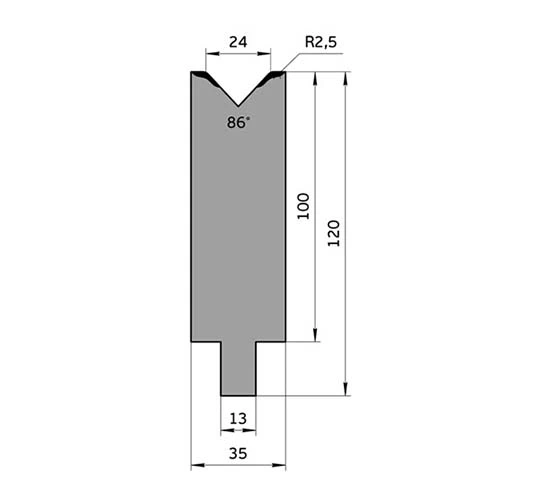
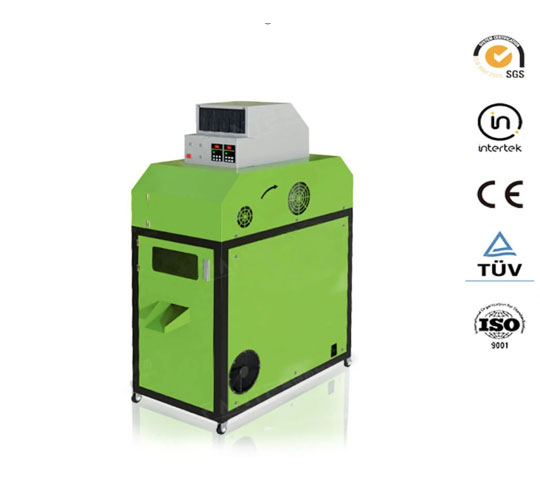
Given their ability to cut thick materials quickly, high definition plasma cutter for sale is often the go-to option for heavy-duty tasks like tire shredder machine components. Conversely, laser cutting machine for metal excels in crafting precise components like press brake tooling, essential for high-end manufacturing applications.
Plasma Cutting & Laser Cutting Cost Comparison
The cost implications of adopting either plasma or laser technology can significantly influence business decisions. Investing in a plasma cutting machine typically involves lower initial costs, making it accessible for many businesses.
| Cost Factor | Plasma Cutting | Laser Cutting |
|---|
| Initial Investment | Lower | Higher |
| Operational Cost | Medium | Lower in the long run |
| Maintenance Cost | Relatively Low | Potentially High |
While portable cnc plasma cutting machines offer cost advantages initially, fiber laser cutting machines provide long-term benefits in terms of speed and precision, which can offset their higher initial purchase price over time.
Plasma Cutting & Laser Cutting Material Thickness Limits
The choice between plasma and laser cutting often depends on the thickness of the material being processed. Plasma cutting has the advantage when dealing with thicker materials.
| Material Thickness | Plasma Cutting | Laser Cutting |
|---|
| Thin Materials (<0.5 inches) | Effective | Very Effective |
| Medium Thickness (0.5-1.5 inches) | Very Effective | Effective |
| Thick Materials (>1.5 inches) | Highly Effective | Less Effective |
For heavy industries dealing with materials over 1.5 inches thick, such as those producing components for a hydraulic ironworker machine, plasma cutting is often preferred due to its efficiency and speed.
Plasma Cutting & Laser Cutting Ease of Use
Operational ease is another factor to consider when choosing between these two cutting technologies. Plasma cutting machines are generally considered easier to set up and use.
| Ease Factor | Plasma Cutting | Laser Cutting |
|---|
| Setup Time | Shorter | Longer |
| Operational Complexity | Lower | Higher |
| Training Requirement | Less Extensive | More Extensive |
For businesses that require rapid deployment and simple operation, plasma cutting machines for sale may offer a more intuitive experience compared to their laser cutting counterparts.
Plasma Cutting & Laser Cutting Pros and Cons
Each cutting technology has its unique advantages and disadvantages, making them suitable for different applications. Understanding these pros and cons can guide your equipment choices.
| Feature | Plasma Cutting | Laser Cutting |
|---|
| Strengths | Cost-effective, Thick material efficiency | High precision, Low operational cost over time |
| Weaknesses | Less precise, Rougher edges | Higher initial cost, More complex |
| Best Use Cases | Heavy-duty, Thick materials | High-precision, Thin materials |
Industries such as automotive or construction might benefit from plasma technology, especially when working with materials used in heavy-duty industrial shredders. In contrast, applications requiring meticulous precision should consider laser cutting technologies. For tire shredder manufacturers, selecting the right plasma or laser cutting process can improve the processing accuracy, durability, and production efficiency of shredder components used in demanding recycling applications.
Conclusion
Choosing between plasma cutting and laser cutting requires a comprehensive understanding of your specific needs and resources. While plasma cutting machines are versatile and cost-effective, laser cutting machines provide unmatched precision and lower operational costs over time. Each technology offers unique advantages that can be capitalized on depending on your exact requirements, such as material thickness, budget, and desired precision level. By weighing these factors against your operational goals, you can select the most Indies suitable equipment, enhancing both productivity and quality in your metal fabrication processes. Experienced ironworker manufacturers can also help metal fabrication buyers evaluate punching, shearing, notching, and cutting requirements to select equipment that matches material thickness, production volume, and long-term efficiency goals.
 English
 日本語
日本語 한국어
한국어 français
 Deutsch
 Español
 русский
 Türkçe
 português
 العربية
 Polska
 हिंदी
हिंदी Indonesia