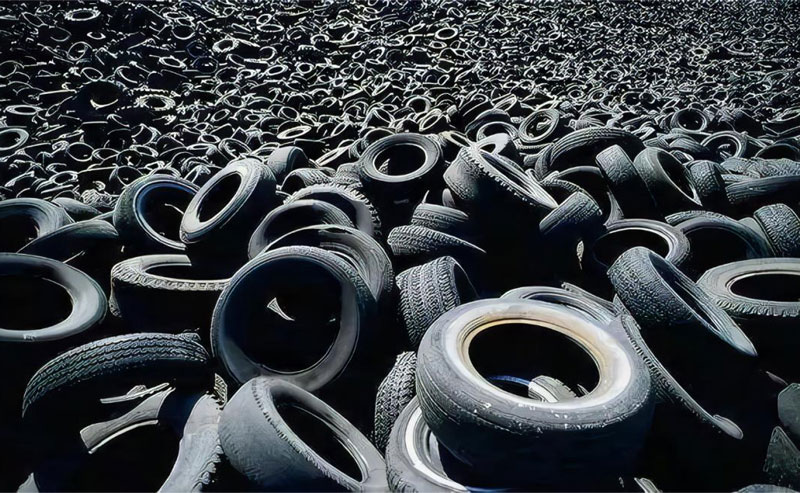
With 1.6 billion end-of-life tires discarded worldwide annually, sustainable recycling has become a top priority. Through a comprehensive technology chain encompassing intelligent tire shredding, efficient sorting, and resource recycling, these once piling piles of "black pollution" have become the "treasure code" of a circular economy. This article explores the importance and benefits of tire shredding, and its applications across various recycling industries.
What is tire shredding?
Tire shredding is a mechanical process that breaks down end-of-life tires into smaller pieces, making them easier to handle, recycle, and reuse. Because tires are designed to be durable, specialized shredding equipment is required to effectively break down their reinforced rubber and steel structure.
The following different types of tire shredders are designed for specific recycling needs:
Pre-shredding system – shreds whole tires into large rubber blocks for further processing.
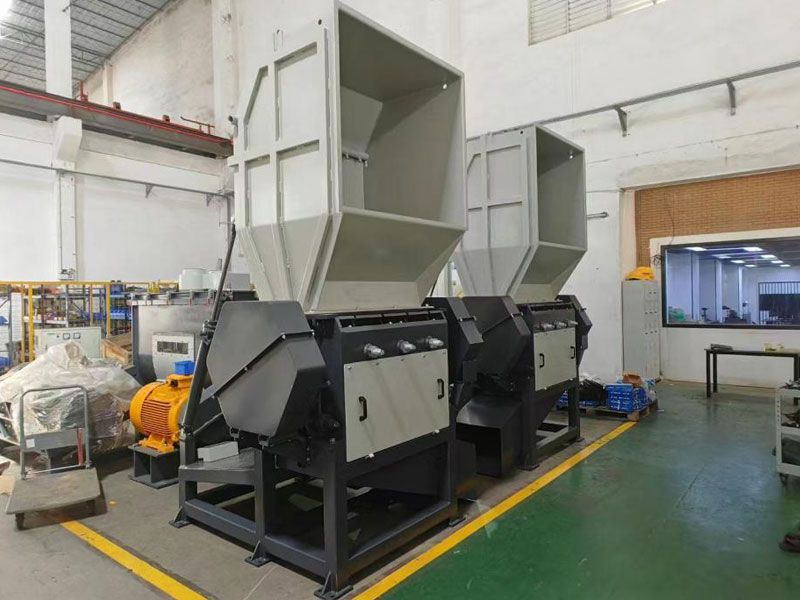
Double Shaft Shredder HS Series
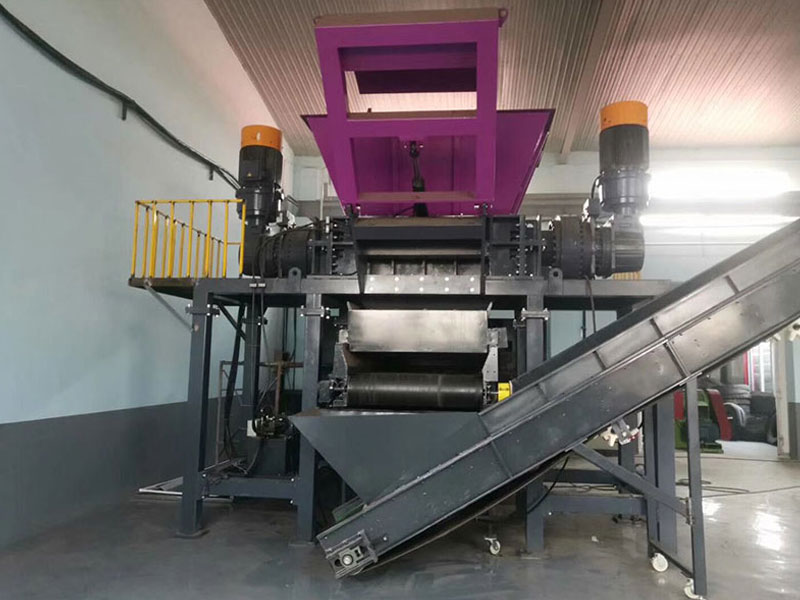
Double-Shaft Shredder – Produces finer, more uniform rubber chunks suitable for reuse.
Wire Separator System minimizes rubber content in wire, improving wire quality.
Wire Separator D Series
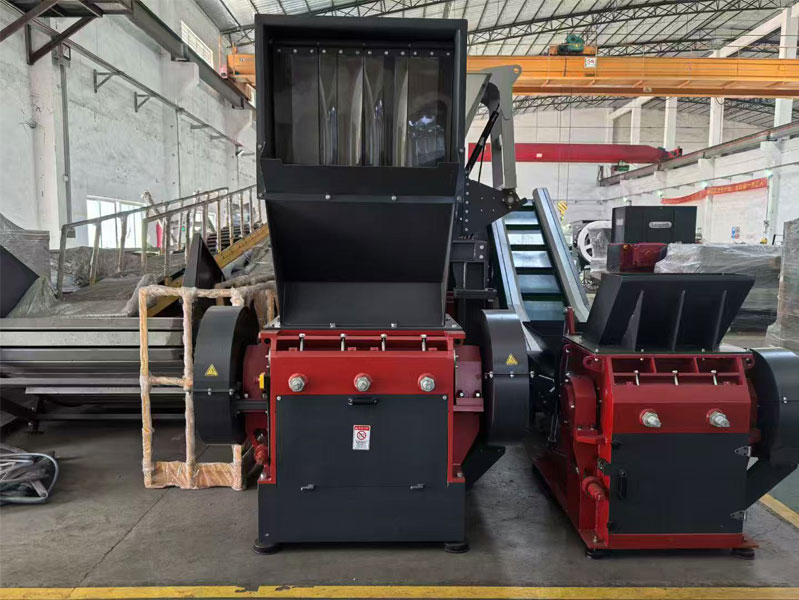
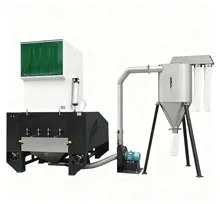
Crusher – Further refines rubber into fine particles for advanced manufacturing.
Heavy Duty Crusher GH Series
Benefits of Tire Shredding
Environmental Impact
Reduced Landfill Waste – Shredding tires prevents excessive accumulation in landfills and minimizes toxic emissions.
Prevents Fire Hazards – Whole tires present a combustion risk, while shredded tires are safer to store and transport.
Supports a Circular Economy – Tire recycling contributes to sustainable production.
Economic and Industrial Advantages
Cost-Efficient Waste Management – Reduces disposal and transportation costs.
Material Recycling – Enables the extraction of rubber, steel, and textiles for reuse.
As an Alternative Energy Source – Shredded tires can be used as tire-derived fuel (TDF) in cement kilns and power plants, providing an environmentally friendly energy option.
Advanced Tire Shredding Technology and Processes
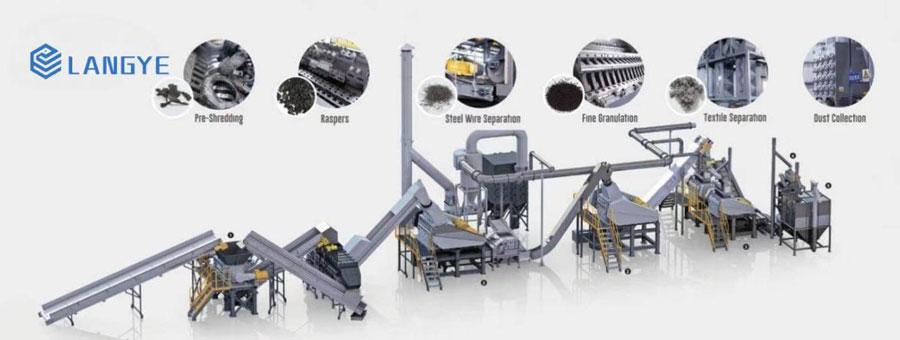
Take Langye Environmental Protection's tire recycling system as an example. Its innovative technology maximizes the reuse of rubber, steel, and fiber from scrap tires. The tire shredding process includes the following key steps:
Step 1: Pre-shredding
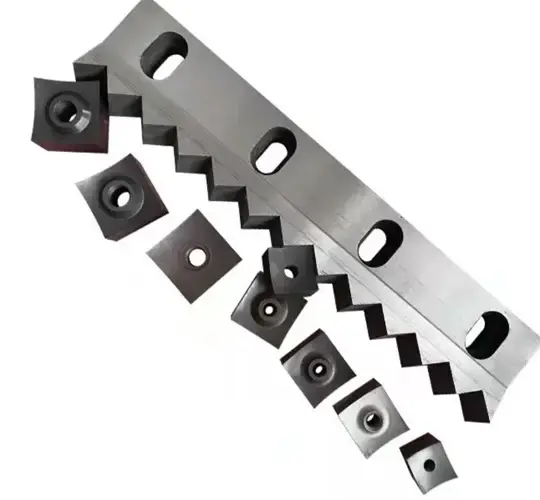
The entire tire enters the pre-shredder, where it is cut into easily manageable fragments. The system's optional inlaid cutter significantly reduces production costs for this process.
Step 2: Wire Separation
The dual-magnetic field wire separation system minimizes the rubber content in the wire, improving wire quality.
Step 3: Crushing
The crusher is equipped with a uniquely designed blade roller, which facilitates further shredding of tire rubber, improving shear efficiency and reducing maintenance frequency.
Step 4: Fiber Separation and Dust Removal
The separator separates fiber from rubber granules, and a magnetic separator separates residual wire, ensuring the purity of the rubber granules.
Multi-point fiber dust removal is used to gradually remove fiber and dust across multiple modules in the system. A central pulse dust removal system collects dust generated during the production process.
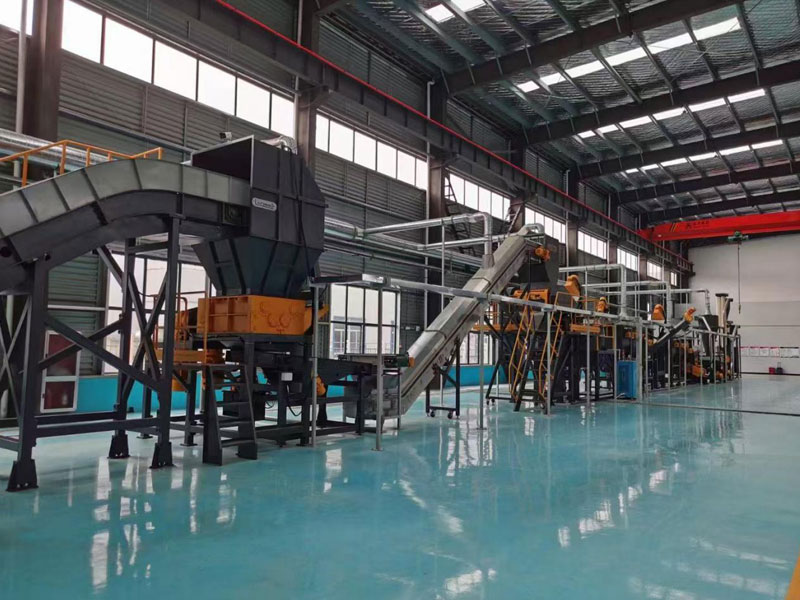
Automation of the Waste Tire Recycling System
The entire line is automated, with interconnected operations between various system units. This maximizes production capacity while also enabling predictive analysis of potential anomalies, ensuring maximum system safety.
Why Tire Shredding Matters for the Future?
Tire shredding is a key solution for reducing emissions and supporting sustainable recycling. Tire shredding recycling not only effectively curbs toxic emissions and plastic pollution, but also yields over 96% recycled material—a revolution not only in environmental protection but also in resource efficiency.
Conclusion
Technological advancements in tire shredders are redefining the value of waste and revolutionizing the recycling industry. Whether for energy production, construction, or manufacturing, reused tires contribute to a more sustainable future. Choosing advanced tire shredding technology ensures efficient, optimized resource recovery and environmental benefits.
 English
 日本語
日本語 한국어
한국어 français
 Deutsch
 Español
 русский
 Türkçe
 português
 العربية
 Polska
 हिंदी
हिंदी Indonesia