Purchasing an industrial laser cutting machine is a significant investment for manufacturers, impacting not only the initial cost but also the entire production process. The right choice of a laser cutting machine for metal or steel laser cutting machine can elevate manufacturing efficiency, while a poor decision may lead to long-term challenges, as these machines typically remain in use for seven to ten years. This guide aims to assist fabricators in navigating the complexities of selecting the ideal CNC laser cutting machine by addressing key considerations and offering practical insights to ensure the investment drives operational success.
How Will the Laser Cutting Equipment Be Used?
Before committing to a laser cutting machine for sale, manufacturers should evaluate whether it's the best solution for their needs. Alternative cutting systems, such as stamping presses, turret punch presses, high-definition plasma laser cutting machines, or abrasive waterjet systems, may be more suitable depending on the application. For instance, a stamping press can offer the lowest cost per part for high-volume production of sheet metal laser cutting machine parts but requires investment in tooling and supports additional tasks like forming and tapping. A turret punch press is cost-effective for cutting holes and shapes in steel sheet laser cutting machine applications but demands tooling and cannot match the speed of a high-speed laser cutting machine. Plasma systems excel with thick materials like stainless steel laser cutting machine applications where edge quality is less critical, while waterjets are ideal for materials sensitive to heat-affected zones, such as plastic laser cutting machine uses, though both are generally slower than lasers. Exploring these laser cutting machine types ensures the chosen system aligns with the company's manufacturing goals, minimizing the risk of future regrets.
Is laser cutting really worth the investment?
For companies outsourcing laser cutting machine for steel plate work to job shops, the arrangement may work well if lead times are flexible. However, there comes a point when bringing a CNC fiber laser cutting machine in-house becomes a strategic consideration, even with strong subcontractor relationships. A key indicator is the monthly expenditure on outsourced laser cutting machine products. As Henry Ford once said, “If you need a machine and don't buy it, then you will ultimately find that you have paid for it and don't have it.” Bringing the laser cutting machine operation in-house can enhance productivity and reduce lead times, but it requires justifying the investment. Beyond the laser cutting machine price, factors like laser cutting machine operator labor, consumables such as assist gas, and potential savings from improved efficiency must be considered. These calculations provide a clear picture of the return on investment for a fiber laser cutting machine for sale, helping to convince management or lenders of the purchase's value.
What are the benefits of having direct control over laser cutting operations?
Control over the manufacturing process is a common reason manufacturers invest in a metal laser cutting machine for sale. Late deliveries, poor-quality parts, or missed business opportunities due to reliance on external laser cutting machine companies can hinder operations. Owning a laser cutting machine for tubes or sheet metal CNC laser cutting machine allows a company to manage production schedules, ensure consistent quality, and enhance its reputation by showcasing in-house laser cutting machine applications. These factors—timely delivery, reliable quality, and improved market perception—highlight the strategic advantage of controlling the laser cutting machine process.
Key factors in selecting a laser cutting machine supplier
Manufacturers have multiple options when selecting a laser cutting machine manufacturer, including dealers of used equipment or laser cutting machine manufacturers like Trumpf laser cutting machine, Bystronic laser cutting machine, or Amada CNC laser cutting machine offering new or refurbished machines. Refurbished CNC laser cutting machines for metal may lack the efficiency of newer models but can outperform older, unrefurbished equipment. When evaluating fiber laser cutting machine manufacturers, inquire about service availability, as modern machines like Prima Power laser cutting machine or Salvagnini laser cutting machine require less maintenance but quick repairs are critical to minimize downtime. Fiber laser cutting machine spare parts availability and delivery speed are equally important, as a machine sidelined by a missing component, such as a laser cutting machine controller, is costly. Additionally, machines from well-known laser cutting machine companies tend to retain higher resale values, adding long-term financial benefits to the purchase decision.
CO2 or Fiber Laser Cutters?
The laser cutting machine market is dominated by two technologies: CO2 lasers and fiber laser cutting machines. CO2 lasers, which use a gas-filled resonator and mirrors to deliver the beam, were the industry standard for decades and remain suitable for applications requiring high edge quality on thicker or specialized materials, such as aluminum laser cutting machine or iron laser cutting machine tasks. However, fiber laser cutting machines for metal, introduced around 2008, have become the preferred choice due to lower operating costs and faster cutting speeds, particularly on thin materials like steel plate laser cutting machine applications. Advances in high-power fiber laser cutting machine technology now enable robust performance on thicker materials, though they come at a higher initial cost. Fiber laser cutting machines also excel at cutting reflective materials like brass and copper, which pose challenges for CO2 lasers. Maintenance considerations are critical after the warranty period; fiber laser cutting machine working principle involves fewer moving parts, requiring less upkeep, but some manufacturers may prefer CO2 lasers for their familiarity and in-house maintenance expertise. The choice depends on the specific materials, laser cutting machine specifications, and operational priorities.
Will We Need Material Handling?
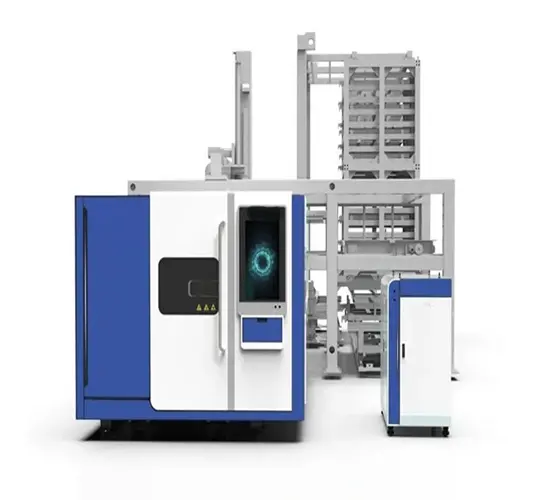
Material handling automation is a vital consideration, especially with the high cutting speeds of modern CNC tube laser cutting machines or metal tube laser cutting machines. Manufacturers must assess whether their operations—whether running a few hours daily or multiple shifts—require automation to keep pace with the laser cutting machine's output. Manual loading and unloading may suffice for low-volume production with a mini laser cutting machine for metal, but for high-speed operations, automation like pallet systems or automated storage towers can significantly reduce labor costs and boost profitability for industrial CNC laser cutting machines. Even if automation isn't immediately necessary, choosing a laser cutting machine design compatible with future upgrades ensures flexibility as production needs evolve.
Will We Need New Software?
Laser cutting machine software compatibility is another critical factor. Existing software for laser cutting machines may work with the new CNC laser cutting machine design, but OEM-supplied laser cutting machine programming software could offer enhanced capabilities. Manufacturers should evaluate whether new software, such as that for a Trumpf fiber laser cutting machine, can integrate with other shop floor equipment, supporting increased interconnectivity and real-time data collection. This connectivity enables faster, data-driven decisions, improving overall efficiency. Discussions with laser cutting machine manufacturers about software integration, laser cutting machine accessories, and network compatibility are essential to maximize the CNC laser cutting machine's impact on production.
What's the ROI of an Industrial Fiber Laser Cutting Machine?
Understanding the true cost of an industrial fiber laser cutting machine goes beyond the purchase price. Real-time equipment performance monitoring, such as overall equipment efficiency (OEE) laser cutting machine software, is crucial for assessing operational efficiency. This software, costing about 1 percent of the laser cutting machine rate, can yield productivity gains of 10 to 50 percent, often paying for itself in under four months. By identifying “hidden capacity” across multiple machines, such as CNC laser cutting machines for stainless steel, manufacturers can optimize performance and justify the investment in a high-precision laser cutting machine.
How Will We Finance Our Laser Cutting Equipment?
Financing options for a laser cutting machine buy vary, with some manufacturers paying cash while others explore loans or OEM financing arms from laser cutting machine companies like LVD laser cutting machine or China fiber laser cutting machine providers. Banks may not always offer the best terms, so comparing alternatives, including OEM financing, is wise. However, better service isn't guaranteed with OEM financing, so evaluate each option carefully to secure favorable terms for a CNC laser cutting machine for sale without compromising support.
What's Involved With Delivery and Installation?
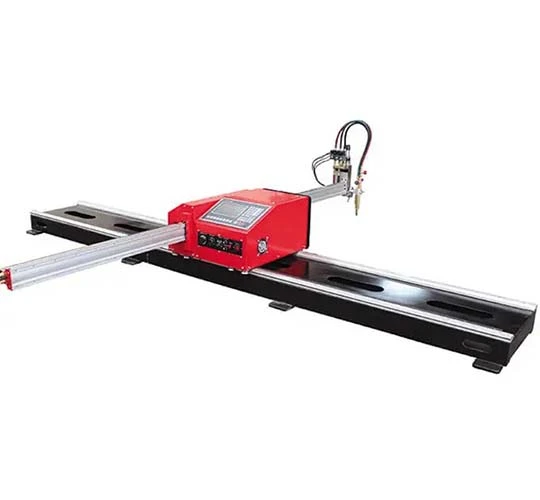
Successful delivery and installation of a portable laser cutting machine for metal or industrial metal laser cutting machine require careful planning. Manufacturers must determine if a foundation is needed and select an optimal location within the facility, avoiding harsh environmental conditions and ensuring efficient workflow to downstream processes, such as those involving 3D laser cutting machines. Suppliers, experienced in shipping and rigging laser cutting machine kits, can provide guidance to address logistical challenges, especially for companies new to major equipment installations.
Key Strategies for Making Laser Cutting Machine Selection Easier
Selecting the right sheet and tube laser cutting machine involves gathering quotes from two to three laser cutting machine manufacturers based on detailed answers to the above considerations. Engaging with suppliers during equipment demonstrations, asking targeted questions about laser cutting machine parameters and laser cutting machine working principle, and negotiating terms are critical steps. Joining industry associations, such as the Fabricators & Manufacturers Association, or consulting with experienced peers can provide valuable laser cutting machine information. These resources help simplify the decision-making process, ensuring the chosen CNC laser cutting machine sheet metal or 3D tube laser cutting machine aligns with operational goals and delivers long-term value.
 English
 日本語
日本語 한국어
한국어 français
 Deutsch
 Español
 русский
 Türkçe
 português
 العربية
 Polska
 हिंदी
हिंदी Indonesia